
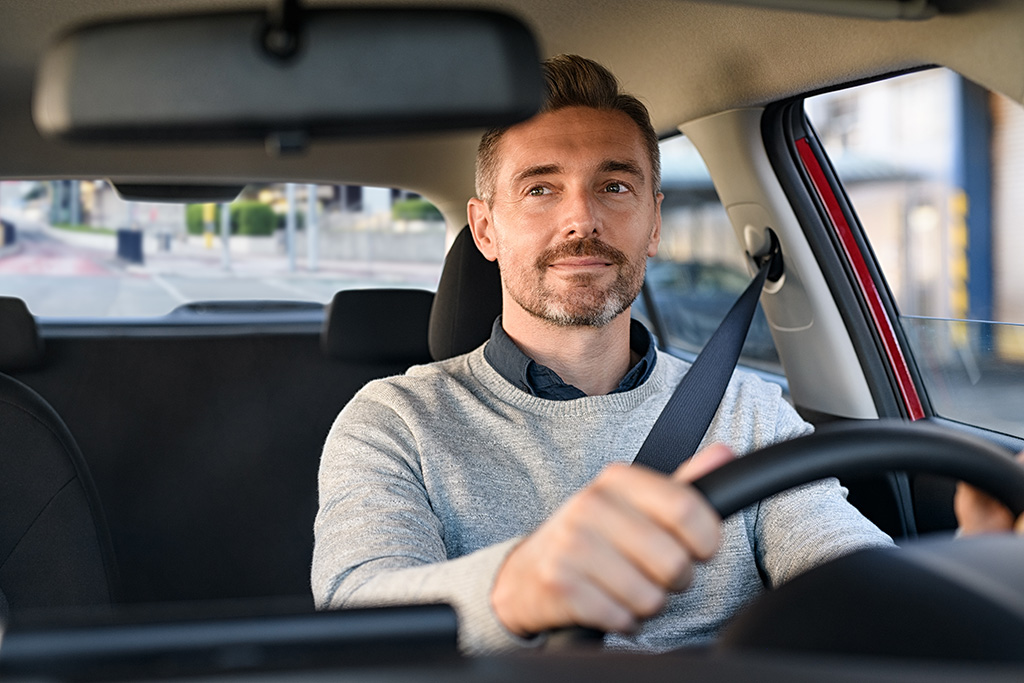
Driving etiquette varies significantly worldwide with about two-thirds of the world driving on the right and one-third on the left. Key differences include strict headlight laws (Sweden), strict and no-shirtless driving rules (Thailand), and specific, varying honking etiquette, such as it being seen as rude in Hawai’i but customary for passing in Egypt.
Our team member here at Elizabeth Etiquette – Paul Mycroft who provides email marketing for us – wrote this article for a local magazine about how courtesy has disappeared from his local Vancouver Island community.
“As an immigrant to Canada in 2008, I have always marvelled at how polite Canadians are. They are known around the world for their courteous nature and etiquette, something I witnessed on my arrival in Ladysmith with my young family. Coming originally from England, I was taught from day one that Mirror-Signal-Manoeuvre was how you drove a vehicle, to always acknowledge when someone lets you in with a raised hand off the wheel, and you are then acknowledged when you do something kind for other drivers. It seems that this small act of recognition has disappeared from Ladysmith’s roads.
“I let drivers reverse out of a parking spot on First Avenue or go through a gap into moving traffic but get no wave of thanks, I witness drivers making a turn into a side road after braking but with no turn signal, and don’t get me started on Trans-Canada Highway driving techniques.
“Good etiquette is the bedrock of how Ladysmith’s community functions and thrives, so let’s see if we can get some simple manners back onto our roads. You never know, you might become a better driver.”
Here are the standard, courteous methods used in the UK and similar driving cultures:
1. The Raised Hand (Most Common)
A brief lift of the hand from the steering wheel — palm facing outward — is the clearest and safest acknowledgment.
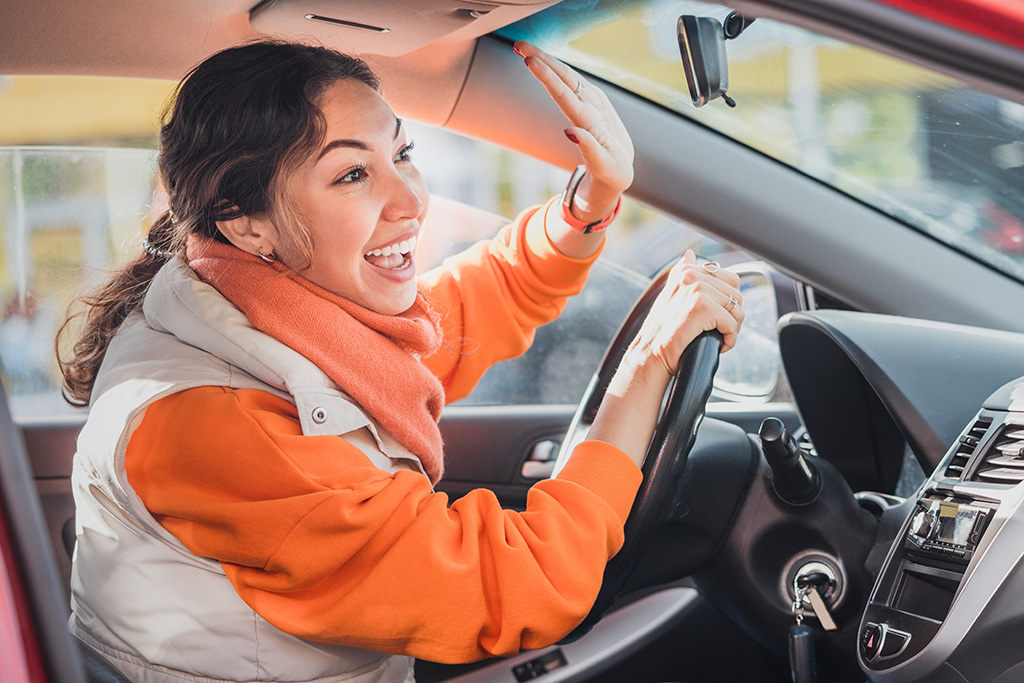
2. Hazard Light “Thank You” Flash
A quick double flash of hazard lights is commonly used on motorways and dual carriageways.
3. Headlight Flash (Situational)
A short flash can acknowledge someone at night, but be cautious.
4. Nod or Smile (When Close)
If traffic is slow or you’re making eye contact at close range, a nod or smile reinforces courtesy.
Final Thought
Have you witnessed the same thing happening in your community and if so, how have you tried to change this behaviour? Let us know…